



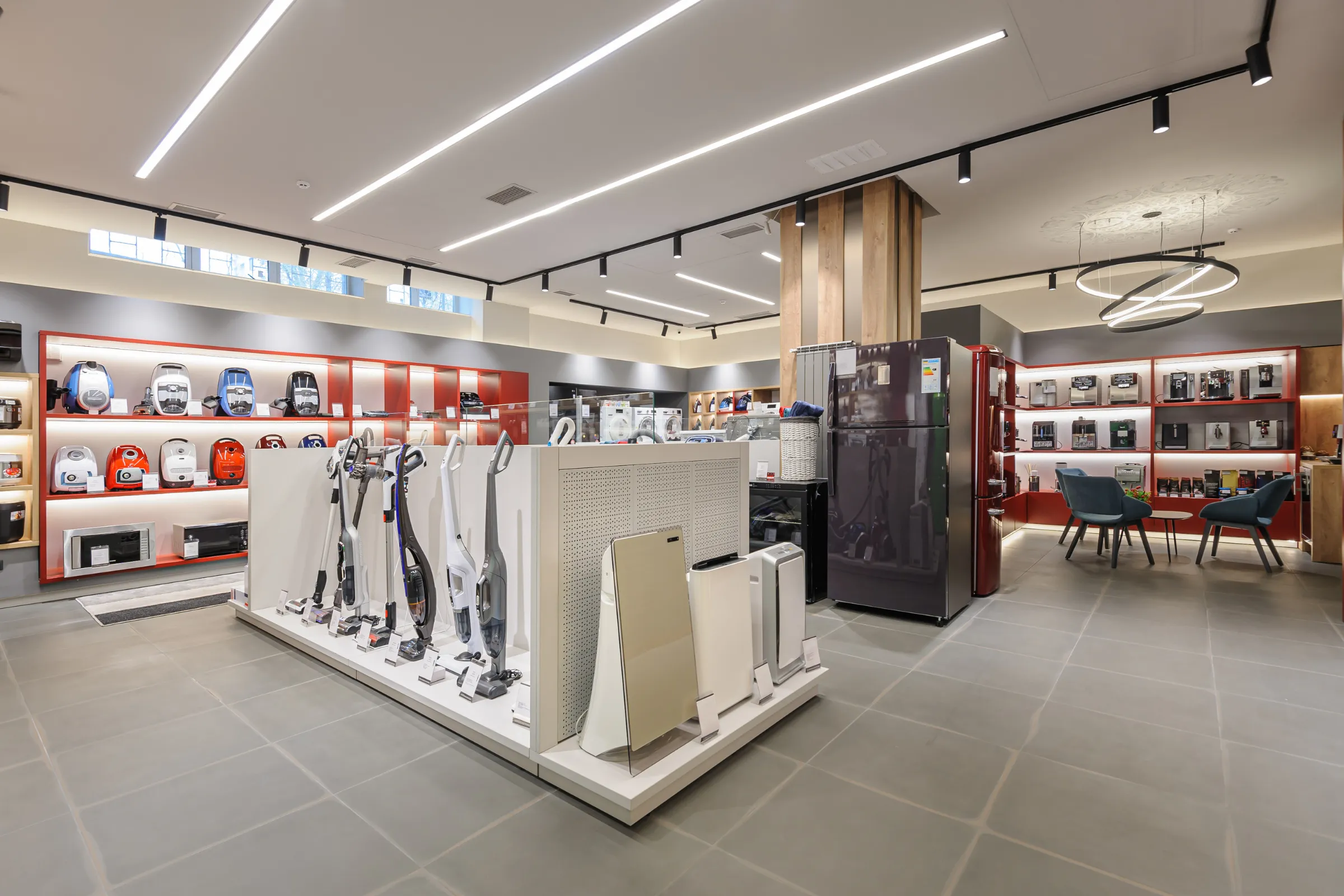
Commercial remodeling in Los Angeles is about improving how a business space works for customers, staff, operations, safety, and brand presentation. A well-planned commercial remodel can update office layouts, retail spaces, tenant improvements, commercial interiors, storefronts, lighting, flooring, restrooms, accessibility, and customer-facing areas while also accounting for permits, scheduling, building rules, and business disruption planning. Remodeling Team LA helps Los Angeles business owners, property managers, landlords, investors, and commercial property owners think through the scope, layout, materials, coordination, and next steps before construction begins.
Why Los Angeles Businesses Remodel Their Commercial Spaces
A commercial remodel can make a business space more functional, more welcoming, and better aligned with the way the company operates. Whether you are updating an office, retail store, tenant space, showroom, or customer-facing interior, the right plan should support both daily workflow and long-term business use.

Better Layout for Staff and Customers
Commercial remodeling in Los Angeles often starts with improving the way people move through the space. Better layout planning can support customer flow, employee work areas, service zones, storage, reception areas, restrooms, and daily business operations.

Updated Brand Presentation and Curb Appeal
A commercial renovation in Los Angeles can help a space feel more professional, current, and aligned with the brand. Updated finishes, lighting, flooring, storefront details, signage areas, and customer-facing improvements can make a stronger first impression.

Smarter Planning to Reduce Business Disruption
A commercial remodeling contractor in Los Angeles should consider how construction may affect employees, customers, tenants, deliveries, parking, work hours, and daily operations. Good planning helps set clearer expectations before work begins.
Every commercial property has different needs. A retail remodel, office remodel, tenant improvement, restaurant-adjacent update, small business buildout, and landlord-ready improvement may each involve different planning, code, access, and scheduling considerations.
What to Expect From a Commercial Remodeling Project
A commercial remodel is easier to manage when the business goals, building requirements, construction scope, and schedule needs are reviewed early. Most commercial remodeling projects in Los Angeles include these planning and coordination steps.

Business Goals and Scope Review
Contractors within our network start by understanding what needs to change in the space. This may include improving a storefront, updating an office layout, preparing a tenant improvement, remodeling a retail space, improving customer flow, or upgrading restrooms, flooring, lighting, and finishes.

Existing Space and Building Condition Evaluation
A commercial property renovation in Los Angeles should account for existing walls, ceilings, flooring, electrical systems, plumbing, HVAC, restrooms, accessibility considerations, storefront conditions, and building management requirements.

Layout and Workflow Planning
Commercial interior remodeling should support the way the business operates. Planning may include customer paths, staff work areas, display zones, offices, storage, reception areas, break rooms, restroom access, and how each area connects to the next.

Office, Retail, or Tenant Improvement Coordination
Office remodeling, retail remodeling, and tenant improvement projects each have different needs. A workspace may need better collaboration zones, while a retail remodel may focus on displays, customer experience, lighting, checkout flow, and product presentation.

Plumbing, Electrical, Lighting, HVAC, and Restroom Planning
Many commercial remodeling projects involve lighting upgrades, outlet placement, electrical coordination, HVAC considerations, plumbing work, restroom upgrades, and fixture planning. These details should be reviewed early because they can affect permits, scheduling, and construction scope.

Permit and Building Requirement Review
Commercial buildout projects in Los Angeles may involve city review, landlord requirements, property management rules, code considerations, accessibility requirements, and documentation before construction can move forward.

Scheduling Around Business Operations
When possible, commercial remodeling should be planned around business needs. Work may need to account for customer access, employee schedules, planned closures, deliveries, loading areas, safety zones, and communication with landlords or property managers.

Final Walkthrough and Finish Details
The final stage reviews finishes, fixtures, touch-ups, cleanup, safety details, and the completed scope. This helps confirm the remodeled commercial space is ready for the next step in business use, tenant preparation, or property improvement.
What Affects Commercial Remodeling Cost in Los Angeles?
Commercial remodeling cost in Los Angeles depends on the type of space, existing condition, scope of work, system upgrades, permit requirements, scheduling needs, material selections, and finish level. A light office refresh is different from a full tenant improvement, retail store remodeling project, commercial buildout, restroom upgrade, or storefront renovation.
- Type of commercial space: Offices, retail spaces, showrooms, tenant spaces, customer-facing interiors, and landlord improvements each have different requirements.
- Size of the space: Larger spaces typically involve more flooring, lighting, paint, materials, labor, coordination, and cleanup.
- Existing condition: Older finishes, previous buildouts, outdated systems, damaged surfaces, or building limitations can affect the scope.
- Layout changes: Moving walls, changing offices, adjusting customer flow, or reconfiguring work areas can add planning and construction needs.
- Tenant improvement scope: Tenant improvements may involve landlord rules, lease requirements, business needs, building systems, and code considerations.
- Plumbing, electrical, HVAC, and lighting upgrades: System improvements can affect both cost and permit planning.
- Flooring, walls, ceilings, restrooms, and fixtures: These elements often shape both the look and function of the finished commercial space.
- Storefront or exterior updates: Entry areas, glass, facade updates, signage zones, exterior finishes, and curb appeal improvements can change the project scope.
- Accessibility considerations: Some commercial projects may require review of access, restroom layout, clearances, paths of travel, or other code-related items.
- Permit and plan requirements: Drawings, city review, inspections, or landlord documentation may be needed depending on the work.
- Work-hour restrictions: Building rules, business hours, shared property rules, or landlord policies can affect scheduling and project flow.
- Material selections and finish level: Flooring, lighting, counters, fixtures, paint, millwork, doors, hardware, and specialty finishes all influence the final investment.
A realistic commercial remodeling budget starts with a clear scope, an understanding of building conditions, and a review of what the business or property needs before construction begins.
Commercial Remodeling Permits and Planning in Los Angeles
Commercial remodeling often requires planning, documentation, code review, landlord or property management coordination, and city approval depending on the scope. Permit requirements depend on your building, business type, property conditions, lease requirements, city rules, and project scope.
Layout changes, restrooms, electrical work, plumbing, HVAC, storefront updates, accessibility considerations, and tenant improvements may require permits or additional review. No contractor can promise permit approval, but early planning can help clarify the process and reduce avoidable surprises. For broader guidance, visit our remodeling permits and planning services in Los Angeles.
Planning Commercial Remodeling Around Business Operations
Business disruption matters. Commercial remodeling should be planned with the customer experience, employee access, tenant needs, deliveries, safety, and daily operations in mind. The right approach depends on the space, the business, the building rules, and the scope of work.
- Phased construction: Some projects may be planned in phases to help keep parts of the space usable when possible.
- After-hours or planned scheduling: When building rules and project scope allow, certain work may be scheduled around business needs.
- Customer and employee access: Entrances, exits, paths of travel, and work zones should be considered before construction starts.
- Dust and jobsite cleanliness: Planning for protection, debris handling, and cleanup helps reduce disruption in active or shared commercial spaces.
- Material delivery coordination: Deliveries may need to account for loading zones, parking, elevators, storage, and business hours.
- Parking and loading access: Commercial properties often require clear logistics for crews, materials, customers, and tenants.
- Communication with landlords or property managers: Building rules, lease requirements, and management expectations should be reviewed early.
- Safety and work-zone planning: Active businesses need clear separation between work areas, customer areas, and employee areas when applicable.
- Clear timeline expectations: Commercial remodeling works best when the business understands the likely sequence, dependencies, and decision points.
- Reducing downtime where possible: Good planning can help reduce avoidable delays, but the best approach depends on the project scope and property requirements.
Commercial Spaces We Help Remodel
Commercial remodeling can apply to many types of business and property improvements. The right scope depends on how the space is used, who uses it, and what needs to function better.
- Office remodeling: Layout improvements, conference rooms, work areas, reception spaces, flooring, lighting, and finishes.
- Retail remodeling: Customer flow, display areas, checkout zones, storefront updates, lighting, and brand-focused finishes.
- Tenant improvements: Buildouts and updates for leased spaces based on business, landlord, and property requirements.
- Commercial interior remodeling: Walls, ceilings, flooring, lighting, fixtures, paint, millwork, and finish upgrades.
- Lobby and reception updates: Customer-facing improvements that help create a stronger first impression.
- Employee break rooms: Practical upgrades for staff comfort, storage, surfaces, and daily use.
- Customer-facing areas: Improvements to spaces where customers, clients, or tenants interact with the business.
- Restroom upgrades: Fixture updates, tile, lighting, ventilation, accessibility considerations, and finish improvements.
- Flooring and lighting upgrades: Durable flooring and better lighting can improve both appearance and functionality.
- Small business buildouts: Commercial buildout planning for small businesses preparing a new or updated space.
- Property owner improvements: Updates for landlords, investors, and property managers preparing commercial spaces for use.
- Landlord-ready commercial upgrades: Practical improvements that help make a space cleaner, more usable, and more presentable for future tenants.
Explore Related Remodeling and Construction Services
Commercial remodeling often connects with planning, permits, general contractor coordination, and interior improvement work. These related pages can help you compare services and plan the right scope:
- Need help coordinating the project? Explore general contractor services in Los Angeles.
- Planning a larger property update? See whole-home remodeling in Los Angeles.
- Improving a kitchen or break room area? Review kitchen remodeling in Los Angeles.
- Updating commercial restrooms? Visit bathroom remodeling in Los Angeles.
- Need help understanding approvals? Learn about remodeling permits and planning in Los Angeles.
- Browse completed work in our remodeling projects.
- Ready to discuss your business space? Contact us through our Los Angeles remodeling consultation page.
Start Planning Your Commercial Remodel in Los Angeles
Tell us what type of commercial space you want to improve, how your business currently operates, and what needs to change for customers, staff, or tenants. Our team can help you think through scope, layout, scheduling, materials, permits, budget priorities, and the right next steps.