



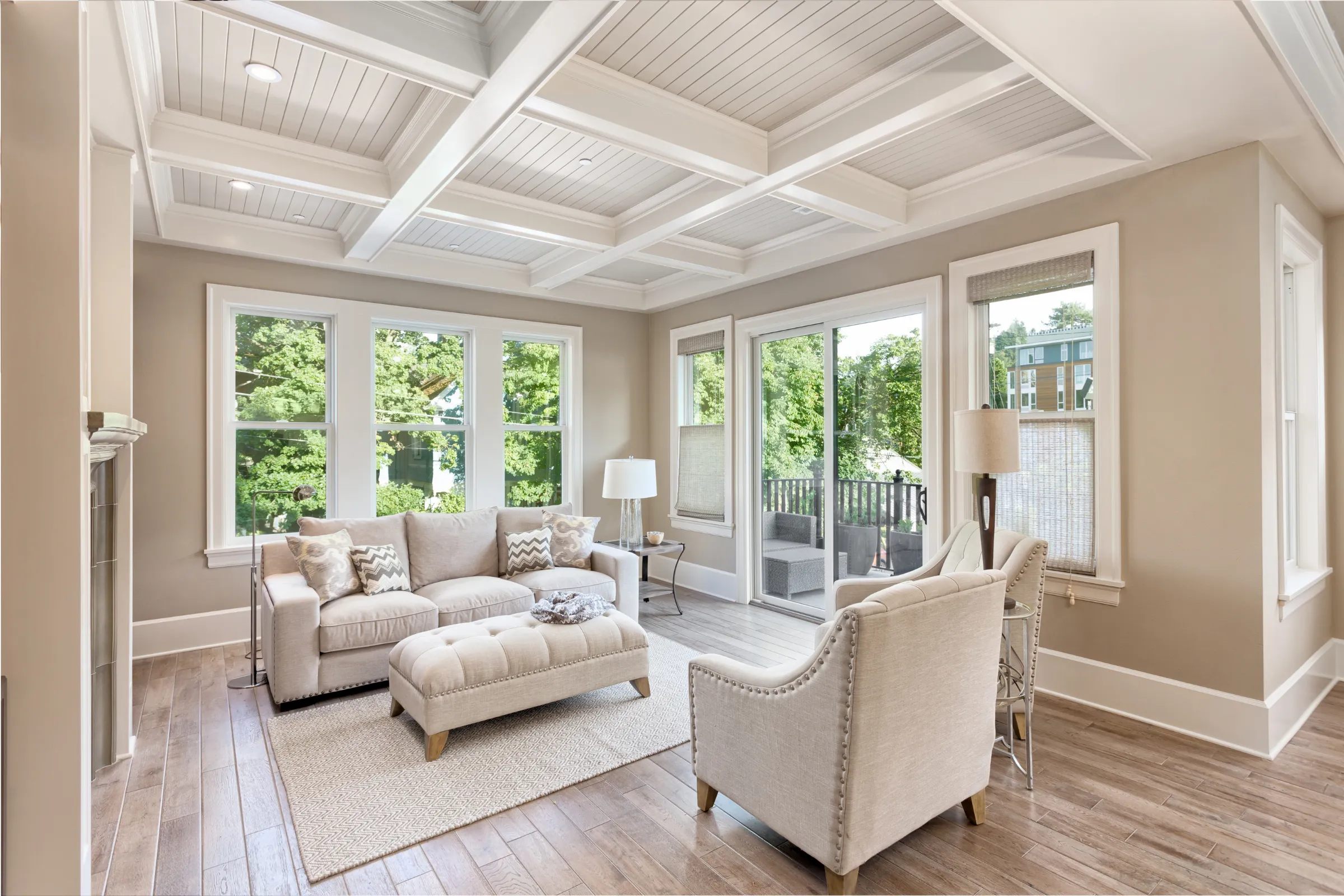
General contractor services in Los Angeles help homeowners, property owners, investors, and business owners move from idea to organized construction with a clear plan. A general contractor helps coordinate project planning, scope clarity, budgeting priorities, scheduling, permits, trade coordination, material decisions, and communication from start to finish. Whether the project involves home remodeling, kitchen and bathroom upgrades, room additions, ADUs, garage conversions, commercial improvements, or larger renovation work, Remodeling Team LA helps clients understand the scope, prepare for the process, and make more confident decisions before construction begins.
Why Work With a General Contractor in Los Angeles?
Remodeling and construction projects often involve many moving parts. A clear general contractor can help connect the planning, trades, materials, permits, and field work so the project is easier to understand and better organized.

One Clear Point of Contact
A Los Angeles general contractor gives you one main team to discuss scope, questions, changes, scheduling, and project priorities. This helps reduce confusion when several trades, materials, inspections, and construction details need to be coordinated.

Better Planning Before Construction Starts
Strong planning helps define what is being built, what materials are needed, what permits may apply, and what decisions should be made early. For homeowners searching for a general contractor near me in Los Angeles, this planning step is often what separates a vague idea from a realistic construction scope.

Coordinated Trades, Scope, and Timeline
Remodeling contractor services in Los Angeles often involve demolition, framing, electrical, plumbing, HVAC, drywall, flooring, tile, cabinetry, painting, and finish work. Coordinating those trades around one clear scope helps the project move with fewer avoidable surprises.
Every project is different. A kitchen and bathroom remodel, a garage conversion ADU, a whole home remodel, a room addition, and a commercial tenant improvement each require a different level of planning, documentation, coordination, and construction oversight.
What to Expect From Our General Contractor Services
General contractor services are designed to bring structure to a remodeling or construction project. The process can vary by scope, but most projects include planning, evaluation, coordination, construction oversight, and a final review.

Project Goals and Scope Review
Contractors within our network start by understanding what you want to build, remodel, expand, or improve. This may involve a home renovation, kitchen and bathroom remodel, ADU, room addition, commercial improvement, or another construction project that needs a clear scope before work begins.

Property Evaluation
A property review helps identify existing conditions that can affect the project. Older homes, commercial spaces, condos, garages, additions, and properties with previous remodeling work may each have different structural, utility, access, and planning needs.

Design and Planning Coordination
Depending on the project, planning may include layout decisions, drawings, finish selections, trade input, utility planning, and coordination with design or permit documentation. This step helps connect the idea with the practical requirements of the build.
Budget and Material Priorities
Before construction begins, it helps to separate must-have items from optional upgrades. Cabinets, countertops, tile, flooring, fixtures, lighting, windows, doors, and finish levels can all affect the project scope and investment.
Permit and Documentation Planning
Many projects need permits, drawings, engineering review, or city documentation depending on the work being completed. A general contractor for permits and planning in Los Angeles can help identify which parts of the project may need review before construction starts.
Trade Coordination
Construction often requires multiple trades working in the right order. Framing, electrical, plumbing, HVAC, drywall, flooring, tile, cabinetry, painting, and finish work need coordination so each phase supports the next.

Construction Oversight
During the build, the focus is on organizing the work, communicating progress, reviewing field conditions, coordinating trades, and keeping the project aligned with the approved scope and selected materials.

Final Walkthrough and Closeout
The final stage brings together finish details, cleanup, touch-ups, fixture checks, and a walkthrough of the completed work. This helps confirm that the finished project reflects the intended scope and priorities.
What Affects General Contractor Project Cost in Los Angeles?
General contractor project cost in Los Angeles depends on the type of project, property condition, scope of work, structural needs, trade coordination, permit requirements, material selections, and finish level. A small interior improvement is different from a whole home remodel, ADU conversion, room addition, or commercial remodeling project.
- Project type: Kitchens, bathrooms, room additions, ADUs, whole home remodels, condo renovations, and commercial improvements each require different planning and trades.
- Property condition: Older homes, previous remodels, damaged materials, outdated systems, or commercial building conditions can affect the scope.
- Size and complexity: Larger or more technical projects often require more planning, labor, materials, coordination, and inspections.
- Structural changes: Wall removal, framing changes, beams, foundations, roof connections, and load-bearing work can affect cost and planning.
- Kitchen, bathroom, ADU, or addition scope: Projects with cabinets, countertops, tile, waterproofing, plumbing, electrical, utilities, or added square footage usually require more coordination.
- Plumbing, electrical, HVAC, and framing needs: System upgrades and trade work can significantly shape the construction scope.
- Material selections: Flooring, fixtures, cabinets, tile, countertops, doors, windows, lighting, and hardware all influence the final investment.
- Permit and plan requirements: Projects requiring drawings, city review, inspections, or engineering may involve additional planning and documentation.
- Site access: Parking, staging, delivery access, stairs, tight lots, condos, and commercial spaces can affect project logistics.
- Finish level: Standard, mid-range, custom, and higher-end finishes create different budget levels.
- Commercial or residential requirements: Business spaces may involve tenant improvement rules, accessibility considerations, building requirements, and coordination with property management.
A realistic budget starts with a clear scope. The more clearly the work is defined before construction begins, the easier it is to plan materials, trades, permits, schedule expectations, and budget priorities.
Construction Planning and Permits in Los Angeles
Many remodeling and construction projects in Los Angeles may require permits depending on the scope. Permit requirements depend on your property, project scope, city rules, building conditions, and the type of work being completed. Structural work, plumbing, electrical, HVAC, additions, ADUs, exterior changes, and commercial tenant improvements may require review, documentation, inspections, or approvals before or during construction.
No contractor can promise permit approval, but careful planning can help reduce avoidable issues. Reviewing the work early, identifying possible plan requirements, and understanding how the project may interact with city rules can make the process clearer. For more detail, visit our remodeling permits and planning services in Los Angeles.
General Contractor Services We Help Coordinate
As a remodeling and construction contractor in Los Angeles, we help coordinate a range of residential and commercial project types. The scope depends on the property, the client’s goals, and the type of work being completed.
- Home remodeling: Interior upgrades, layout improvements, finish updates, and residential remodeling coordination.
- Kitchen remodeling: Cabinetry, countertops, lighting, flooring, backsplash, appliance layout, and trade coordination.
- Bathroom remodeling: Shower upgrades, vanity installation, tile, ventilation, waterproofing, plumbing, and electrical coordination.
- Whole home remodeling: Larger renovation planning with multiple rooms, finishes, systems, and construction phases.
- Room additions: Home expansion planning, foundation, framing, structural coordination, utilities, and exterior matching.
- Garage conversions: Planning and construction coordination for converting existing garage space into more usable living area.
- ADU construction: ADU-related planning, layout, utilities, permits, and buildout coordination depending on property needs.
- Condo remodeling: Interior remodeling work that may require HOA, building, or property management coordination.
- Commercial remodeling: Tenant improvements, office updates, retail remodeling, interior buildouts, and business space improvements.
- Interior improvements: Flooring, painting, drywall, trim, lighting, doors, windows, storage, and finish upgrades.
- Permit and planning coordination: Scope review, documentation planning, city requirements, and construction readiness support.
- Project management: Trade scheduling, material coordination, construction communication, site organization, and closeout planning.
How to Choose the Right General Contractor in Los Angeles
Choosing the right general contractor in Los Angeles starts with clarity. A good contractor should help you understand the scope, the likely project steps, what decisions need to be made early, and which parts of the work may require permits or additional review.
- Clear scope: Make sure the contractor understands what is included and what is not included before the project starts.
- Written expectations: Project details, material priorities, communication expectations, and responsibilities should be clearly discussed.
- Communication: Remodeling is easier when there is a clear contact point for questions, updates, and decisions.
- Local project experience: Los Angeles projects can involve older homes, tight lots, permit rules, HOAs, commercial requirements, and access challenges.
- Permit awareness: The contractor should understand when a project may need drawings, review, inspections, or additional documentation.
- Trade coordination: A general contractor should know how to coordinate framing, electrical, plumbing, HVAC, drywall, tile, flooring, cabinetry, and finish trades.
- Transparent project planning: Realistic conversations are more useful than vague promises or rushed answers.
- Budget discussions: The right contractor should help you think through cost factors, material priorities, and scope decisions before work begins.
- Clean jobsite expectations: Ask how the project will be staged, protected, cleaned, and organized during construction.
- No vague promises: Be cautious of anyone promising exact outcomes, instant permits, or unusually broad guarantees without reviewing the property and scope.
Explore Related Remodeling and Construction Services
General contractor services often connect with several remodeling and construction needs. These related pages can help you compare options and plan the right scope for your property:
- Planning a home renovation? Explore home remodeling in Los Angeles.
- Updating the kitchen? See kitchen remodeling in Los Angeles.
- Improving bathrooms? Review bathroom remodeling in Los Angeles.
- Renovating several rooms? Visit whole home remodeling in Los Angeles.
- Need more living space? Learn about room additions in Los Angeles.
- Converting a garage? View garage conversion ADU services in Los Angeles.
- Planning a business space? Explore commercial remodeling in Los Angeles.
- Need help understanding approvals? Learn about remodeling permits and planning in Los Angeles.
- Browse completed work in our remodeling projects.
- Ready to discuss your project? Contact us through our Los Angeles remodeling consultation page.
Start Planning Your Remodeling or Construction Project in Los Angeles
Tell us what you want to build, remodel, expand, or improve. Our team can help you think through the scope, budget priorities, permits, materials, schedule, and the right next steps before construction begins.